
We Are Expert Christian Web Designers & Consultants With Over 25 Years Of Experience. We Have Been The Leading Provider Of Website Solutions For Christian Small Businesses, Churches & Non-profits Since 1998.
Christian Website Designers
Your Success is our Success.
Christian Website Design Company Since 1998
Christian Website Designs
Website Design Solutions For Christian Small Businesses, Non-profits, E-commerce & Churches. Every Website Is Unique.
Custom Graphics
Custom Logo Designs, Business Card Designs, and Custom Graphics
Online Marketing
Christian SEO, Social Media Marketing, & Online Marketing Strategies Tailored To Your Business or Non-Profit Goals.
E-commerce
Online Stores, Membership Subscriptions, and Shopping solutions
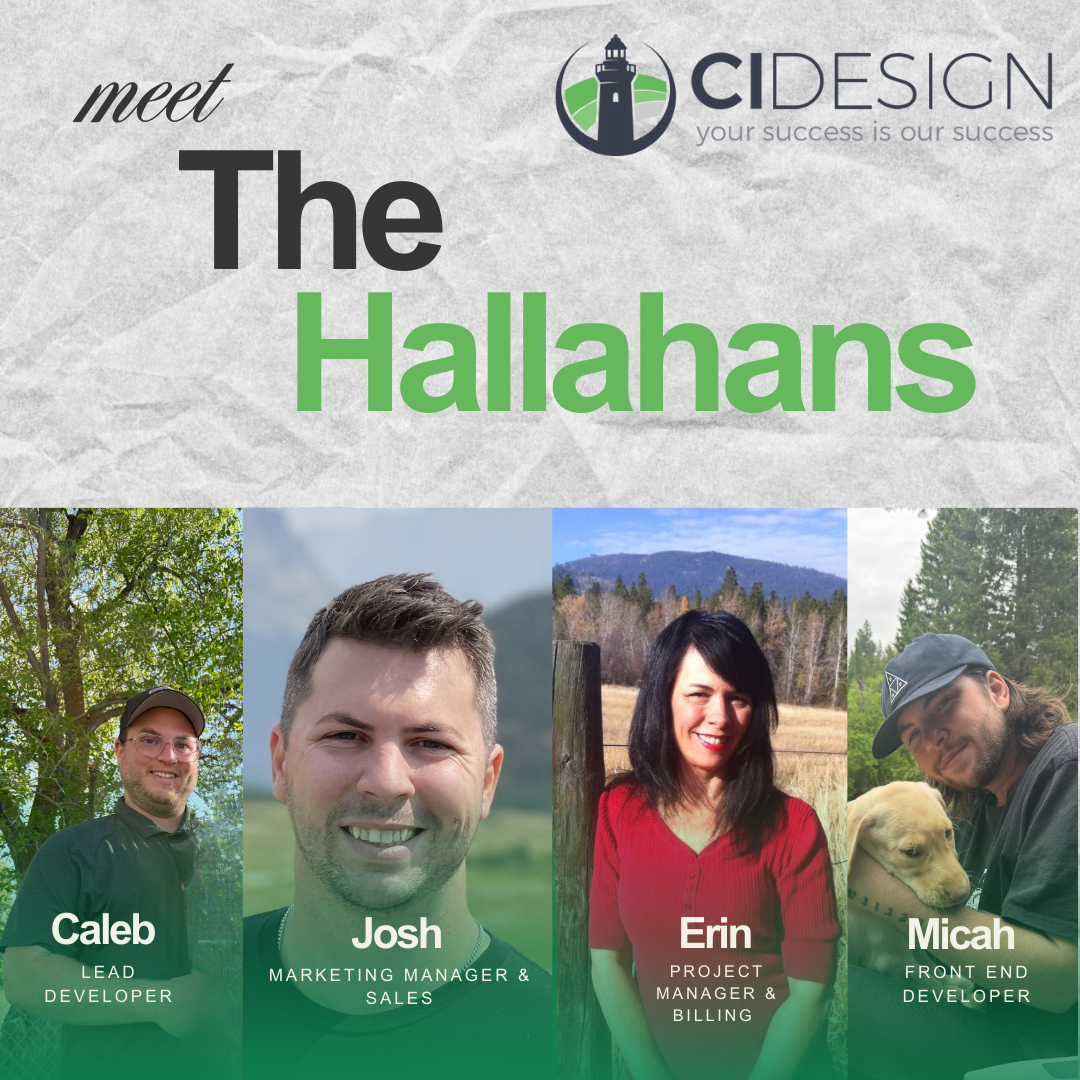
Results Driven, Beautiful
Christian Web Designs
More than 600 small business owners and non-profits trust our christian website design team with their projects. With 25+ years of being a family owned and operated christian business, we are proud of our reputation for personalized & professional services. Our ultimate goal and focus is to create online success for our customer’s businesses as we work together towards God’s kingdom on earth.

Web Designs that capture your audience’s attention
Beautiful website designs that engage your customers, inform your congregation or raise awareness for your ministry’s audience.

Improve Conversion Rates & Audience Engagement
Whether you sell services as a local small business, you are a life coach or book author, or you need to easily interact with your church/ministry audience. We have thousands of hours in experience building christian websites like those and more!

Master e-commerce
Provide a seamless online shopping experience for your customers. Easily sell products, services or even subscription models for Coaching, Premium Content & Memberships on your website.
Christian Website Designs,
Custom Tailored To Fit Your Needs
Why Choose A Christian Website Design Company
It is our desire to represent a beacon of light globally in the way we serve our clients and our reputation as website designers. Our company logo is a Lighthouse and its meaning is two-fold. First, it represents our goal to be a light in the world for business owners, churches & ministries looking for a web design team that provides integrity filled services while abiding by Christian principles. In this saturated market of thousands of web design companies, freelancers, endless blogs (and friends who say they can design it for you) You might feel like you are in a raging sea not knowing where to go. We want to be that light you can see in the darkness. Second as our slogan says “Your Success is Our Success” if we can help bring you to shore and show you how to succeed with your business or ministry goals online, then we rest easy knowing God has used us to help get you there.
Latest Projects in our Portfolio




Frequently Asked Questions
What is Christian website design and how is it different from regular web design?
Christian website design isn’t a separate technology — it’s a different standard of purpose and a different understanding of who the website is actually serving.
Most web design agencies are optimized for one thing: business performance metrics. Traffic, leads, conversions. And those things matter for faith-based organizations and Christian business owners too — we’re not pretending otherwise. But when someone runs a Christian nonprofit, operates a coaching practice rooted in biblical principles, writes and speaks from a faith perspective, or runs a values-driven business, their website has to carry more weight than a standard marketing tool. It has to represent who they are at a deeper level. It has to communicate values, not just services. It has to build the kind of trust that comes from authenticity, not just good copywriting.
At CI Design, Christian website design means building with a higher standard — for the quality of the work itself and for the purpose behind it. We’ve been doing this since 1998, and what’s driven us from the beginning is the conviction that our Christian brothers and sisters in business, ministry, and nonprofit leadership deserve professional, excellent, purpose-built digital presences. Not as an afterthought. As a priority.
Why do colors, fonts, and imagery matter so much on a faith-based website?
Because design communicates before words do — and for faith-based organizations and Christian business owners, what design communicates matters enormously.
A visitor lands on your website and forms an impression in roughly three to five seconds. Before they’ve read your about page, before they’ve seen your services, before they’ve found your contact form — they’ve already decided whether this feels like somewhere they trust. That decision is almost entirely visual.
Purposeful aesthetics in Christian website design means every visual choice is intentional and tied to the specific identity of the organization or individual. A biblical counselor and a Christian financial advisor and a faith-based nonprofit serving at-risk youth all have completely different identities — and their websites should look nothing alike, even if they share core values. Color palettes carry meaning. Warm tones communicate approachability and groundedness. Cooler blues and whites suggest clarity, peace, trustworthiness. Typography sets tone — whether you’re authoritative and traditional or accessible and contemporary. The imagery you choose sets the emotional register of the entire experience before a single word registers.
For faith-aligned businesses and ministries, where the personal integrity of the leader is often the core of the brand, none of these choices should be accidental. The visual language of your website is either reinforcing your credibility or quietly working against it.
What kind of content actually works on a Christian website — and what should we avoid?
Authentic, original content that reflects who you actually are. That’s the answer — and the contrast to it is generic stock photography and templated copy, which is quietly one of the most damaging mistakes we see on faith-based websites.
Here’s the thing about the people who find a Christian nonprofit, a faith-based coach, a Christian author, or a values-driven business online: they’re often looking for something more than a transaction. They want to know who you really are. They want to trust you before they engage. And generic stock imagery — the kind that could belong to anyone — tells them, consciously or not, that what they’re seeing isn’t quite real.
Original photography of you, your team, your work in action, your actual clients or community. Real written content in your genuine voice, not polished-to-blandness marketing copy. Video content — even simple, well-lit smartphone video — that puts a real face and a real personality behind the brand. These are the things that build trust fast. And for Christian website design specifically, where the alignment between stated values and visible authenticity is something visitors are actively evaluating, authentic content isn’t just good strategy. It’s the difference between a website that converts and one that sits there looking professional while accomplishing nothing.
Does a faith-based website need video content?
More than most people think — yes. And the barrier to entry is much lower than it used to be.
For Christian coaches, authors, speakers, and nonprofit leaders especially, video is one of the most efficient trust-building tools available. A two-minute introduction video from a coach or consultant does more work than three pages of written bio copy. A short testimony from someone whose life was impacted by a nonprofit communicates impact in a way that statistics and bullet points simply can’t replicate. An author talking about why they wrote their book creates a connection that a back-cover synopsis never will.
Original video content doesn’t need to be expensively produced to be effective. Authenticity consistently outperforms production value in how audiences respond to faith-based content specifically. A genuine, well-lit video shot on a good smartphone, with decent audio, featuring a real person speaking honestly — that outperforms a slick corporate production almost every time. What matters is that it’s real, it’s you, and it gives someone who found you online the chance to actually encounter who you are before they decide whether to reach out.
What features does a Christian or faith-based website actually need to have?
It depends on what the organization or individual does — and this is where a lot of template-based website solutions fall short, because they’re built around generic assumptions rather than the specific needs of faith-based work.
For Christian nonprofits, the non-negotiables are usually a frictionless online giving experience, a clear impact storytelling section, a volunteer or involvement pathway, and a contact process that doesn’t feel like submitting a ticket. For coaches, consultants, and solopreneurs operating from a faith perspective, the priorities shift toward a booking or discovery call pathway, a clear articulation of their approach and values, and testimonial content that speaks to transformation rather than just satisfaction. For Christian authors and speakers, it’s about content depth — a blog or resource library, a speaking inquiry process, and ideally a way to build an email list of people who want to stay connected to their work.
Across all of those, a few things hold: your contact process should be warm and frictionless, not bureaucratic. Your calls to action should be clear and human. And whatever the primary conversion point is — a donation, a booking, a purchase, a subscription — it should work perfectly and feel trustworthy. Nothing undermines a faith-based organization’s credibility faster than a giving or checkout process that feels sketchy or outdated.
What does "mobile-friendly" actually mean, and why does it matter for a faith-based website?
Mobile-friendly means your website looks and works correctly on a smartphone — not just technically loads, but actually functions the way it’s supposed to, with readable text, navigable menus, tappable buttons, and fast load times.
More than 60% of web traffic in 2026 is mobile. For Christian coaches, authors, nonprofit leaders, and faith-based business owners who are active on social media — which drives a significant portion of referral traffic — that number is often even higher. Someone sees your Instagram post, taps your link in bio, and they’re on your website from their phone. If that experience is frustrating, slow, or broken in any way, they’re gone. And they probably won’t come back.
Beyond the user experience side, Google’s Core Web Vitals — which measure load speed, visual stability, and responsiveness — remain a direct ranking factor in search. A slow, mobile-unfriendly faith-based website isn’t just losing visitors. It’s losing visibility in the search results where the people looking for exactly what you offer are trying to find you. Every site we build at CI Design is designed mobile-first and tested across device sizes before launch. That’s a baseline, not a feature.
What is web accessibility, and does it apply to a faith-based or Christian business website?
Yes — and for organizations and individuals operating from a values framework, it’s worth taking seriously beyond just the technical requirement.
Web accessibility, governed by WCAG 2.2 standards, means your website is usable by people with visual, auditory, cognitive, or motor impairments. Sufficient color contrast so text is legible. Descriptive alt text on meaningful images. Keyboard-navigable menus for people who can’t use a mouse. Captions on video content. Page structures that work correctly with screen readers. These aren’t obscure edge cases — roughly one in four adults in the US lives with some form of disability. If your website excludes them, you’re excluding a significant portion of the people who might otherwise connect with your work, your mission, or your business.
For faith-aligned organizations and Christian business owners who operate from a conviction that every person has inherent dignity — accessibility is a practical expression of that conviction in digital form. We audit every CI Design site at launch and review long-term client sites annually. It’s part of what it means to build with excellence, and it’s part of what it means to serve people well.
How is CI Design different from hiring a general web design agency?
A few things set us apart, and they’re worth being specific about rather than vague.
The first is experience — not just years, but category-specific experience. We’ve been building websites for Christian nonprofits, faith-based businesses, ministry leaders, coaches, authors, and values-aligned organizations since 1998. That’s not a talking point, it’s a genuine competitive advantage. We understand the specific pressures and priorities that come with faith-based work in a way that a general agency picking up a nonprofit client for the first time simply doesn’t.
The second is that we operate from the same value system as our clients. We’re not a secular agency that has a faith-based niche. Christian website design is the founding purpose of this company — it’s why my Dad started CI Design in 1998, and it’s why we’ve built more than 600 websites for faith-aligned organizations and individuals since then. That shapes how we treat clients when something goes wrong, how we approach the work on projects that aren’t glamorous, and the standard we hold ourselves to even on the details no one else will notice.
The third is that we bring full-service digital marketing expertise alongside the design work. SEO, Google Ads, Meta Ads, content strategy — these aren’t add-ons we outsource. They’re core capabilities. A beautiful Christian website that nobody can find doesn’t serve anyone well, and we’ve never been interested in just building beautiful things.
Featured Headlines
From our Blog
Christian Website Design in 2026
Christian Website Design in 2026
Hiring a Marketing Team in the Age of AI: What Every Small Business Should Know
Hiring a Marketing Team in the Age of AI: What Every Small Business Should Know
WordPress vs. Shopify: The Truth About SEO & AI Search Performance 2026
WordPress vs. Shopify: The Truth About SEO & AI Search Performance 2026
How AI Search Is Changing Your Website in 2026
How AI Search Is Changing Your Website in 2026
AI Search Is Changing Website Traffic Forever – Is Your Business Ready?
AI Search Is Changing Website Traffic Forever – Is Your Business Ready?

Digital Marketing On A Low Or Zero $ Budget
Digital Marketing On A Low Or Zero $ Budget

How Much Do Christian SEO Services Cost? A Comprehensive Guide to Understanding Your Investment
How Much Do Christian SEO Services Cost? A Comprehensive Guide to Understanding Your Investment
What is a Domain Name? (Beginners Guide to Domain Names)
What is a Domain Name? (Beginners Guide to Domain Names)
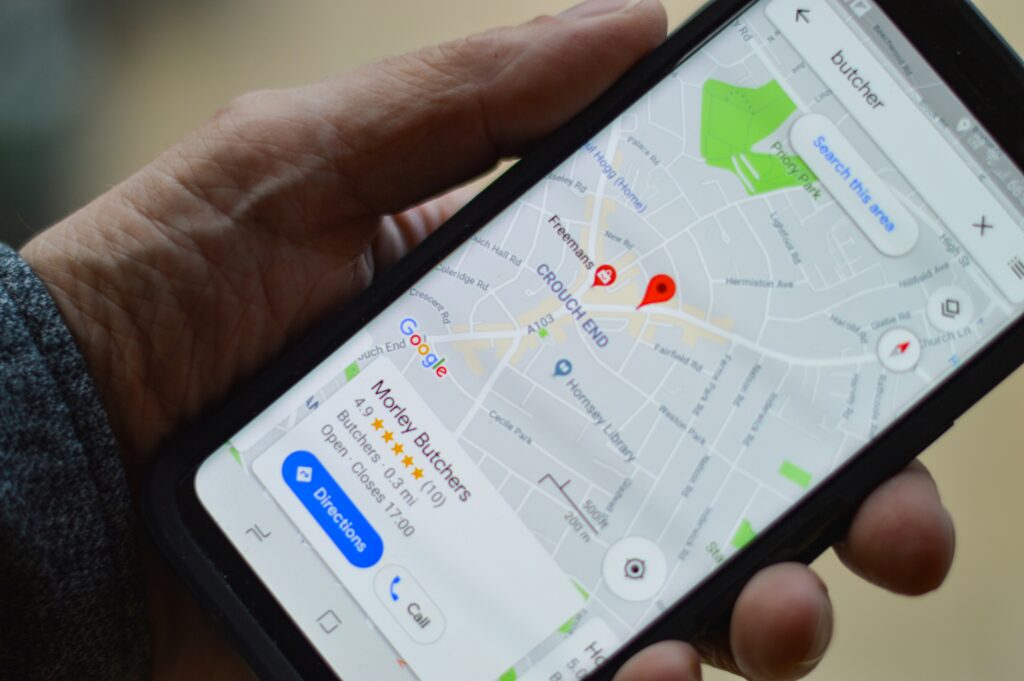
How To Get Your Business To Appear In Your Local Google Search Results: 3 Things You Can Do Today!
How To Get Your Business To Appear In Your Local Google Search Results: 3 Things You Can Do Today!

5 Most Important Aspects of E-Commerce Websites (2024)
5 Most Important Aspects of E-Commerce Websites (2024)
Get a plan to win your market.
Don't be moderately successful.
Contact Us today to receive your free quote.
Schedule A CallSchedule A Call